Subscribe
The Automobile Daily
  • Bike Brand
    • BMW
    • Ducati
    • Harley-Davidson
    • Honda
    • Kawasaki
    • Suzuki
    • Triumph
    • Yamaha
  • Car Brands
    • Audi
    • BMW
    • Ferrari
    • Ford
    • Honda
    • Jaguar
    • Lamborghini
    • Lexus
  • Comparision
  • Modification
  • MotoGP
  • Review
  • Test Drive
  • Type
    • Adventure
    • Cruiser
    • Retro
    • Sport
    • Touring
  • News
  • Contact
  • Bike Brand
    • BMW
    • Ducati
    • Harley-Davidson
    • Honda
    • Kawasaki
    • Suzuki
    • Triumph
    • Yamaha
  • Car Brands
    • Audi
    • BMW
    • Ferrari
    • Ford
    • Honda
    • Jaguar
    • Lamborghini
    • Lexus
  • Comparision
  • Modification
  • MotoGP
  • Review
  • Test Drive
  • Type
    • Adventure
    • Cruiser
    • Retro
    • Sport
    • Touring
  • News
  • Contact
No Result
View All Result
The Automobile Daily

The Awesome Electric vs Gasoline-Powered Vehicles

The Future of Racing: Electric vs. Gasoline-Powered Vehicles

Admin by Admin
March 16, 2023
in Harley-Davidson, Audi, Featured, Ford, Lamborghini, Maintainance, News
305 19
0
Home Bike Brand Harley-Davidson
1k
SHARES
5.4k
VIEWS
Share on FacebookShare on Twitter

The automotive industry

Undergone a significant transformation in recent years, with electric vehicles (EVs) rapidly gaining popularity. As electric vehicle technology continues to improve, many are beginning to wonder about the future of racing. Will gasoline-powered vehicles be phased out entirely, or will they remain a viable option alongside EVs? In this article, we will explore the future of racing and the battle between electric and gasoline-powered vehicles.

Advertisement Banner

Electric vehicles have gained a lot of traction in recent years, with many major automakers investing heavily in the development of electric cars. In fact, EVs are becoming increasingly common on our roads, with the number of electric cars sold worldwide expected to reach 145 million by 2030. This trend towards electrification has also affected the racing world, with the Formula E championship being introduced in 2014 as the first all-electric racing series.

The advantages of electric vehicles in racing are numerous

EVs have instant torque, meaning they can accelerate more quickly than gasoline-powered cars. This instant acceleration can make for some exciting racing, as drivers can go from 0 to 60 mph in just a few seconds. Additionally, electric cars are much quieter than gasoline-powered cars, which can make for a more enjoyable experience for fans in the stands.

Another significant advantage of EVs in racing is that they are much more environmentally friendly than gasoline-powered cars. With electric cars, there are no emissions from the tailpipe, making them a cleaner option for racing. This can be particularly important for races held in urban areas, where air pollution is a significant concern. In fact, the Formula E championship was specifically created to showcase the potential of electric vehicles in reducing air pollution in cities.

However, there are also some downsides to electric vehicles in racing. One of the most significant disadvantages of EVs is their limited range. While electric cars have come a long way in terms of range in recent years, they still cannot match the range of gasoline-powered cars. This can make longer races challenging for electric cars, as they may need to stop and recharge their batteries mid-race. Additionally, the batteries in electric cars can be quite heavy, which can impact the handling of the car.
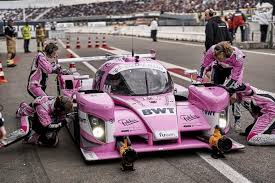
electric-vs-Gasoline-Powered-Vehicles.
Source : Google Images

Gasoline-powered cars

On the other hand, have been the dominant force in racing for decades. Gasoline-powered engines are powerful and can produce high speeds, making them a favorite of racing enthusiasts. Additionally, gasoline-powered cars have a much longer range than electric cars, meaning they can complete longer races without needing to refuel.

However, there are also some significant drawbacks to gasoline-powered cars in racing. One of the biggest concerns is their impact on the environment. Gasoline-powered cars produce emissions from their tailpipes, contributing to air pollution and climate change. In an era where environmental concerns are at the forefront of public consciousness, this is a significant issue that cannot be ignored.

Another disadvantage of gasoline-powered cars in racing is their noise level. While some fans love the sound of a roaring engine, others find it to be too loud and disruptive. Additionally, noise pollution can be a problem for races held in urban areas, where the noise can be a disturbance to local residents.

So, what does the future of racing look like? It is likely that both electric and gasoline-powered vehicles will continue to play a role in racing for the foreseeable future. However, as electric vehicle technology continues to improve, it is possible that electric cars will become the dominant force in racing.

One area where electric vehicles are already starting to make their mark is in off-road racing. The Extreme E championship, which launched in 2021, is an all-electric off-road racing series that aims to showcase the potential of electric vehicles in extreme environments. The vehicles used in the championship are capable of handling rough terrain and extreme weather conditions, making them a perfect fit
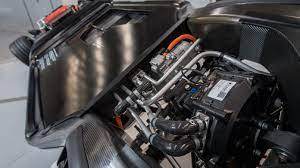
The-Future-of-Racing-Electric-vs-Gasoline-Powered-Vehicles.
Source :Google Images

for off-road racing.

The Formula E championship is also continuing to grow in popularity, with more major automakers joining the series each year. The championship has also introduced some exciting new features, such as Attack Mode, which allows drivers to gain an extra burst of speed by driving through a designated area of the track.

However, gasoline-powered cars are not going away anytime soon. Many of the world’s most prestigious racing events, such as the Indy 500 and the 24 Hours of Le Mans, still use gasoline-powered cars. Additionally, many racing enthusiasts still have a fondness for the sound and power of gasoline-powered engines.

It is possible that we may see a shift towards hybrid vehicles in racing, which combine the benefits of electric and gasoline-powered cars. Hybrid vehicles can offer the instant torque of electric vehicles, while also providing a longer range thanks to their gasoline-powered engines. Additionally, hybrid vehicles can be more environmentally friendly than gasoline-powered cars, as they produce fewer emissions.

Another factor to consider is the development of new technologies such as hydrogen fuel cells. Hydrogen fuel cell vehicles are powered by electricity generated by a chemical reaction between hydrogen and oxygen, producing only water vapor as a by-product. While hydrogen fuel cell vehicles are still in the early stages of development, they have the potential to be a game-changer in racing and could provide a more sustainable option than either electric or gasoline-powered cars.

Ultimately, the future of racing will depend on a variety of factors, including technological developments, environmental concerns, and consumer demand. While electric vehicles are gaining popularity, there will always be a place for gasoline-powered cars in racing. However, it is likely that we will see a shift towards more sustainable and environmentally friendly options in the coming years.

Conclusion

The battle between electric and gasoline-powered vehicles in racing is far from over. Both types of vehicles have their advantages and disadvantages, and it is likely that we will continue to see a mix of electric and gasoline-powered cars in racing for the foreseeable future. However, as technology continues to improve, it is possible that we may see a shift towards more sustainable and environmentally friendly options, such as hybrid or hydrogen fuel cell vehicles. Whatever the future holds, one thing is for sure – racing will continue to captivate audiences around the world for years to come.


Tags: electric vehiclefuture of racingGasoline-Powered Vehicles
Share411Tweet257Pin92Scan
Previous Post

The Best Attractive Car and Bike Accessories

Next Post

The Growth Adventure Off-Road Bikes

Next Post
Growing-Popularity-of-Adventure-and-Off-Road-Bikes

The Growth Adventure Off-Road Bikes

Aware of COVID-19 on the Automotive Industry

Stay Connected

Advertisement Banner
  • Trending
  • Comments
  • Latest
Why do people like watching motor sports such as Formula One and Moto GP? Motorsport is a fast-paced, adrenaline-fuelled series of motor races. Spectators can see high speeds and thrilling manoeuvres from the action in the car. Also, racing fans love seeing their favourite drivers compete against one another on track. The popularity of motor sports is rooted in our fascination with speed, risk and competition. Motor sports give us access to these elements through driver skill and machinery. You don’t need to be skilled yourself to appreciate this entertainment - there are plenty of people who enjoy watching others do it much better than themselves! This article will explore why people like watching motor sports such as Formula One and Moto GP. It will look at audience demographics, how they watch motorsports programming and more. What Is Moto GP? Moto GP is motor sports that involves racing motorcycles. Championships are often held in Asia, though races have also been held in Europe and North America. Moto GP is a very popular sport in Asia, where many people are passionate about motorcycles. These sports are very physical, and racers often have to push their engines to the limit to compete at high speeds. This often means they have to wear tight, protective suits that protect them from injuries. In Moto GP, riders race in classes based on their skill level, the size of their motorcycle, and the type of racing. All classes have identical rules, so it’s up to riders’ skill levels to decide who wins each race. Moto GP races are held on specially designed tracks that are usually in an urban area. Unlike many other sports, riders do not compete on a rectilinear racetrack. Instead, tracks are designed to mimic the way a city street would look. Formula One Formula One is the highest level of auto racing, and it takes place on a variety of circuits around the world. Each season, twenty-one teams enter two races per Grand Prix, and only eight teams qualify to compete for the World Championship. At least one race is usually held in Europe, Asia, Africa and the Americas. F1 racing cars can reach speeds of up to 350 kilometres per hour (217 mph), and they race around a circuit that is usually banked 23 degrees. Race tracks are very technical and are often located close to cities to enable spectators to watch the races in an urban setting. Unlike sports like NASCAR and Moto GP, Formula One is not held in a stadium with a large crowd. Instead, races are typically held in purpose-built racetracks, which are similar to the configurations of other racing series. These tracks are very technical, so they may also be referred to as “grand Prix circuits.” Why do people like watching motorsports? Motorsports provide us with a sense of wonder and awe. We can all experience this through motor sports. When we watch a race, we see the skill of the drivers - we see them pushing their cars to their limits. This human element adds an extra layer to the sport that is hard to replicate in other forms of entertainment. Motorsports also allow us to explore themes that aren’t explored through other forms of programming. Some examples include: - - Human limits - Honda's Dani Pedrosa in the 2014 Japanese Grand Prix pushed his injured leg to the limit, but still won the race. How much further would he have gone if he'd been fully fit? This theme is explored in many sports, but is particularly relevant in motorsports. - - Teamwork - Moto GP racing has numerous examples of team members helping each other to achieve the wins and podiums they want. Formula One racing is less about individuals, and more about the collective effort of the team. This theme is explored in many sports, but is particularly relevant in motorsports. - - Technology vs. human skill - This topic is explored in many sports, but is particularly relevant in motorsports. Many of the technological advances seen in motorsports are remarkable - and they are often the focus of news. This allows us to discuss these developments in a way that doesn’t happen in other sports. Sports programming vs. motorsport Some people frown upon watching motor sports because they are confused about what the difference is between sports and motorsports. Although there are similarities between the two, it is worth noting the key differences. - Sports - This is what people know about Motorsport - the main difference is that it involves human competitions, whereas sports are defined by a lack of rules. Matches in Tennis, Golf and Badminton are all sports, but not all sports are as competitive as these. - Motorsport - This is the name of the activity where we see motorsports. It is a more specific term than sports - we could also talk about car racing, or even just racing. We can’t call it ‘motor sport’ as it is a specialised term. Which events are watched the most? The 2017 Spanish Grand Prix was the most-watched motorsport program of the year so far, according to BARB figures. This was closely followed by the U.S. Grand Prix in Miami, and the Indian Grand Prix. Traditionally, Formula One has been the most popular motorsport series - and it still is popular. Audiences are still very loyal to this series, and they watch it on TV as well as online. The other series on the top 10 list are Moto GP, Formula E, NASCAR, IndyCar and NHRA. What’s next for motorsports? The future of motorsports is bright. New technology is allowing racers to push the limits of what is possible with these vehicles. Expect to see advances in Artificial Intelligence (AI), self-driving cars and new materials such as carbon-fibre. Expect to see changes to the race calendar too - for example, Korea has been chosen to host the first night race. These new elements will help keep motorsports exciting to watch. However, the key to success is maintaining the excitement of the sport while still making it safe. Some examples of how this could be done include: - - Ensuring that the cars and the tracks can handle the increased speeds - AI could be used to program the cars to safely drive around debris or other cars that are blocking the track. - - Ensuring that the racetracks can handle the increased speeds - Many racetracks are only designed to handle lower speeds. The introduction of AI or other technological advances could change this, making them able to handle the increased speeds that are now possible. Conclusion Motorsports is all about speed and skill. These elements make it appealing to audiences of all ages and backgrounds. New technology will also make it a more exciting experience for viewers. However, it is important to remember that motorsports must always be safe. This will ensure that motorsports continue to be a popular form of entertainment for years to come.

Why do people like watching motor sports such as Formula 1 and Moto GP?

January 14, 2023
Kawasaki Z900: Unleash Power

Kawasaki Z900: Unleash Power

August 12, 2025
Boost Your Ride: Suspension Tips

Boost Your Ride: Suspension Tips

August 11, 2025
Audi e-tron GT: Power & Style

Audi e-tron GT: Power & Style

August 10, 2025
Volkswagen ID.4: Drive Green

Volkswagen ID.4: Drive Green

August 9, 2025
Toyota's Hybrid: Eco Leader

Toyota’s Hybrid: Eco Leader

August 8, 2025

Popular


    We bring you the best Automobile Magazine for you especially curated by Industry Experts. Cars, Bikes, Modifications, name it. We got you covered!

    Popular Tag

    Adventure Bike aftermarket Audi automobile automobile industry Automotive Automotive Industry Autonomous Cars Bike bike events bikes bmw brakdown car car and bike car and bike customization trends of 2023 car models cars country Driving innovation ducate Dukati Eco-Friendly electric electric vehicle Ferrari Kawasaki ZRX KTM Lamborghini models Moto GP MotoGP Tracks motorcycle Motorcycle companies motorcycle helmets news Production research and development Review safety speed Sports Cars Style Technology Tesla

    Recent News

    Kawasaki Z900: Unleash Power

    Kawasaki Z900: Unleash Power

    August 12, 2025
    Boost Your Ride: Suspension Tips

    Boost Your Ride: Suspension Tips

    August 11, 2025
    • Bike Brand
    • Car Brands
    • Comparision
    • Modification
    • MotoGP
    • Review
    • Test Drive
    • Type
    • News
    • Contact

    © 2025 The Automobile Daily

    • Login
    No Result
    View All Result
    • Bike Brand
      • BMW
      • Ducati
      • Harley-Davidson
      • Honda
      • Kawasaki
      • Suzuki
      • Triumph
      • Yamaha
    • Car Brands
      • Audi
      • BMW
      • Ferrari
      • Ford
      • Honda
      • Jaguar
      • Lamborghini
      • Lexus
    • Comparision
    • Modification
    • MotoGP
    • Review
    • Test Drive
    • Type
      • Adventure
      • Cruiser
      • Retro
      • Sport
      • Touring
    • News
    • Contact

    © 2025 The Automobile Daily

    Welcome Back!

    Login to your account below

    Forgotten Password?

    Retrieve your password

    Please enter your username or email address to reset your password.

    Log In